

Conjuring movies in order where to watch is a question that many horror fans ponder. The “Conjuring” universe, a sprawling tapestry of interconnected tales of the paranormal, has captivated audiences with its chilling narratives and terrifying imagery. This guide delves into the intricate web of these films, providing a comprehensive overview of how to experience the franchise, from its chronological order to where you can stream or purchase each installment.
We’ll explore the narrative threads that bind these movies together, analyze their distinct horror styles, and examine their impact on the genre.
Beyond the order, we’ll navigate the availability of each film across various streaming platforms and purchase options, ensuring you can access the scares that best suit your preferences. We’ll delve into the thematic depth of the franchise, from the battle of good versus evil to the exploration of faith and family, and the visual aesthetics that contribute to the overall terror.
Finally, we’ll evaluate the critical and commercial success of the “Conjuring” films, highlighting their influence on the horror landscape.
Locating Streaming Platforms and Purchase Options for “The Conjuring” Franchise Films
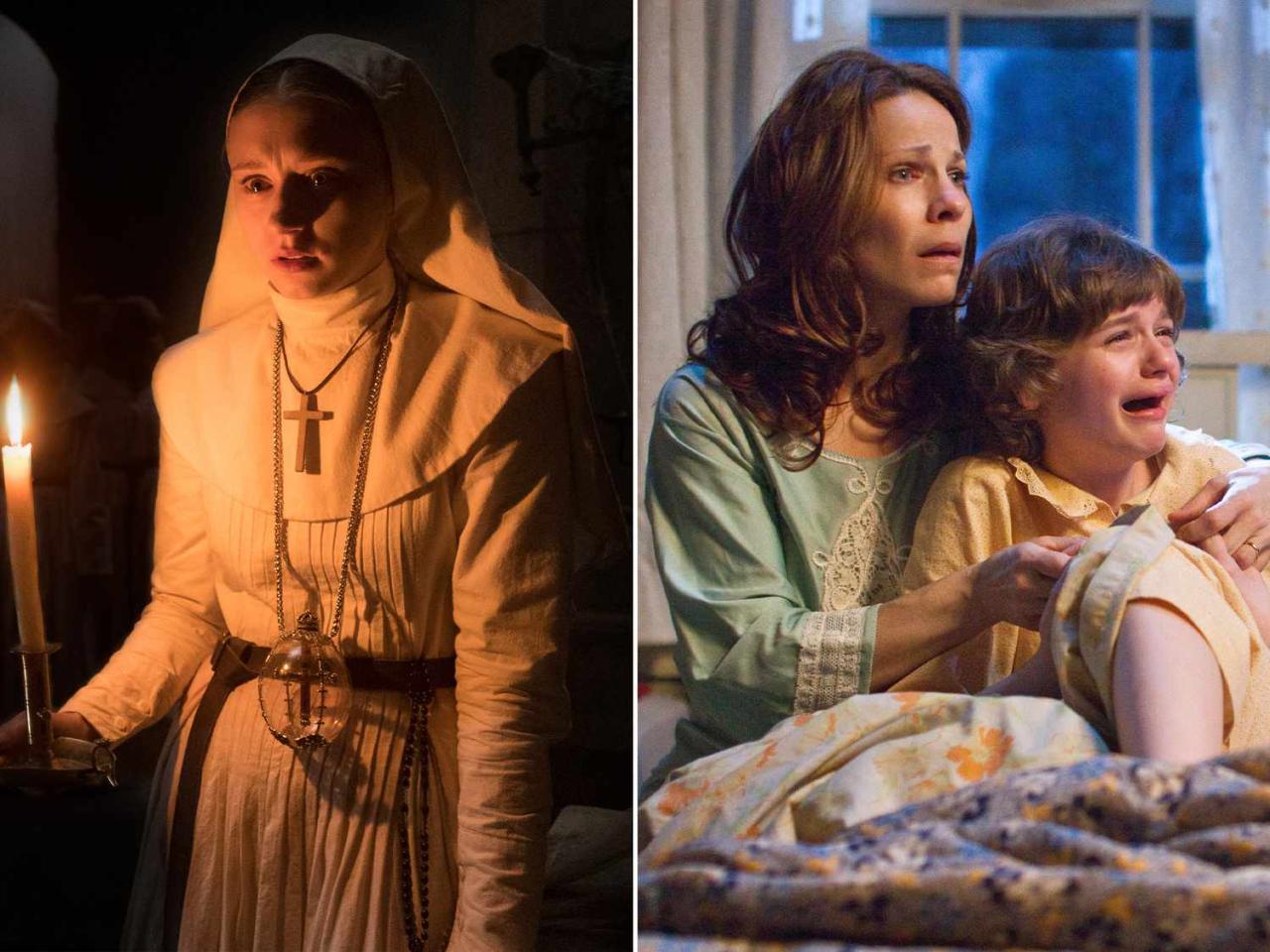
The “Conjuring” franchise has captivated audiences worldwide, and with the rise of streaming and digital media, numerous avenues exist to experience these films. This section details the available options for viewing the movies, including streaming services, digital purchase platforms, and physical media options. Understanding these choices empowers viewers to select the most convenient and cost-effective method for enjoying the films.
Streaming Availability by Country
Streaming availability varies significantly depending on your location. The following list details the current streaming platforms offering “The Conjuring” films, differentiating between subscription-based access, rentals, and purchase options, along with their respective countries. This information is subject to change, so it’s always advisable to verify current availability directly on each platform.
- United States:
- Max: Subscription-based access to most “Conjuring” films.
- Amazon Prime Video: Offers rental and purchase options for individual films.
- Apple TV: Offers rental and purchase options for individual films.
- Vudu: Offers rental and purchase options for individual films.
- Google Play: Offers rental and purchase options for individual films.
- Canada:
- Crave: Subscription-based access to most “Conjuring” films.
- Amazon Prime Video: Offers rental and purchase options for individual films.
- Apple TV: Offers rental and purchase options for individual films.
- Vudu: Offers rental and purchase options for individual films.
- Google Play: Offers rental and purchase options for individual films.
- United Kingdom:
- Sky Cinema: Subscription-based access to some “Conjuring” films.
- Amazon Prime Video: Offers rental and purchase options for individual films.
- Apple TV: Offers rental and purchase options for individual films.
- Google Play: Offers rental and purchase options for individual films.
- Australia:
- Binge: Subscription-based access to some “Conjuring” films.
- Amazon Prime Video: Offers rental and purchase options for individual films.
- Apple TV: Offers rental and purchase options for individual films.
- Google Play: Offers rental and purchase options for individual films.
- Other Countries: Availability varies. Check local streaming services like Netflix (which may have some titles depending on region), local versions of Amazon Prime Video, Apple TV, and Google Play. Availability on subscription services changes frequently, so it’s essential to confirm the current lineup.
Digital Purchase Options
Purchasing “The Conjuring” films digitally provides permanent access to the movies, allowing for repeated viewings without subscription fees or rental deadlines. Several platforms offer these purchase options, each with varying formats and pricing.
- Apple TV: Offers purchases in HD and 4K (where available), often with bonus content. Prices vary, but typically range from $9.99 to $19.99 per film. Bundles are sometimes available for purchasing multiple films at a discounted price.
- Amazon Prime Video: Provides purchase options in HD and 4K, often with digital extras. Prices are similar to Apple TV, and bundles are sometimes offered. The availability of 4K versions depends on the specific film and regional availability.
- Google Play: Offers HD and 4K purchases, along with bonus content. Prices are comparable to other platforms, and bundles can sometimes be found.
- Vudu: Specializes in digital movie purchases, offering HDX and 4K UHD options. Prices are generally competitive, and Vudu often has sales and promotions. Vudu also supports the Movies Anywhere service, which allows purchased movies to be shared across connected platforms.
- Microsoft Store: Provides purchase options for those using Windows devices and Xbox consoles. Prices and formats are similar to other platforms.
Physical Media Acquisition
For those who prefer owning physical copies, Blu-ray and DVD formats offer a tangible way to enjoy “The Conjuring” films. Physical media often includes bonus features like behind-the-scenes footage, deleted scenes, and director’s commentary, enhancing the viewing experience.
- Blu-ray: Provides superior picture and audio quality compared to DVD. Blu-ray releases often include special features. “The Conjuring” films are widely available on Blu-ray.
- DVD: A more affordable option than Blu-ray, but with lower resolution. DVDs still offer a viable way to own the films.
- Where to Purchase: Major retailers like Amazon, Walmart, Target, Best Buy, and online movie stores stock Blu-ray and DVD versions. Used copies are often available from online marketplaces and used media stores.
- Special Editions: Keep an eye out for special editions, which may include collectible packaging, extended cuts, and additional bonus content. These are often released around the time of new film releases or anniversaries.
Flowchart for Selecting the Best Viewing Option
The flowchart guides viewers through the decision-making process, helping them choose the most suitable viewing option based on their preferences and budget.
Start: Do you want to watch “The Conjuring” films?
↓
Are you a subscriber to Max, Crave, Sky Cinema, or Binge?
↓ Yes → Watch the movies included in your subscription.
↓ No →
Do you want to own the movies?
↓ Yes →
Is budget a primary concern?
↓ Yes →Purchase DVDs from Amazon, Walmart, or used media stores.
↓ No →
Purchase Blu-rays or 4K digital versions from Apple TV, Amazon Prime Video, Google Play, or Vudu, considering special editions.
↓ No →
Do you want to rent the movies or watch them on-demand?
↓ Yes →Rent from Amazon Prime Video, Apple TV, Google Play, or Vudu.
↓ No →
Consider waiting for a subscription to a streaming service that includes the movies, or purchasing the movies when on sale.
Pros and Cons of each method:
- Streaming (Subscription):
- Pros: Cost-effective if you already subscribe, convenient access.
- Cons: Requires a subscription, films can be removed from the service.
- Digital Purchase:
- Pros: Permanent ownership, watch anytime.
- Cons: Requires upfront cost, may not have the best picture quality compared to Blu-ray.
- Rental:
- Pros: Lower cost than purchase, can watch immediately.
- Cons: Limited viewing window, no permanent access.
- Blu-ray/DVD:
- Pros: Excellent picture and audio quality (Blu-ray), physical ownership, bonus features.
- Cons: Requires purchasing the physical media, takes up physical space.
Examining the Interconnected Narrative Threads and Character Arcs Across the “Conjuring” Films
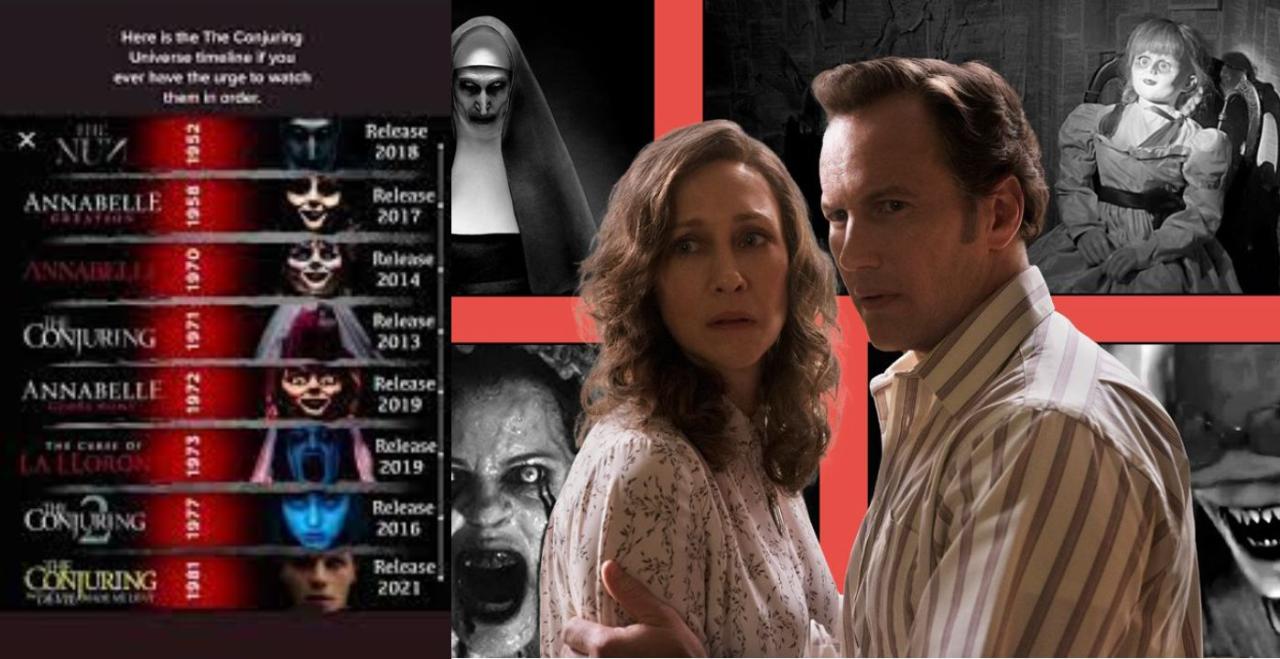
The “Conjuring” franchise masterfully weaves a tapestry of interconnected narratives, drawing viewers into a shared universe of paranormal investigations, demonic entities, and the enduring bond between Ed and Lorraine Warren. The films are not isolated stories; instead, they build upon each other, creating a rich and complex mythology. This interconnectedness is achieved through shared characters, recurring supernatural threats, and a chronological progression that subtly reveals the Warrens’ evolving expertise and the escalating stakes of their work.
Key Narrative Connections and Recurring Elements
The “Conjuring” films establish a clear lineage, linking cases and characters across different installments. This interconnectedness allows for a deeper exploration of the Warrens’ work and the nature of the evil they confront.
“We deal with demons, you know. They’re not like ghosts. They’re evil. They’re dangerous.”
Ed Warren, The Conjuring
Shared characters are a significant element. The Warrens themselves serve as the central figures, with their presence grounding the franchise. The demonic entity Valak, introduced in “The Conjuring 2,” becomes a prominent antagonist, reappearing in spin-offs. Specific artifacts, like the Annabelle doll, also cross over, linking cases and providing a sense of continuity. Historical events, such as the Amityville haunting, are referenced, adding layers of realism and building on pre-existing cultural anxieties.
Character Evolution: Ed and Lorraine Warren
Ed and Lorraine Warren are the heart of the “Conjuring” universe. Their character arcs demonstrate a deep commitment to their faith and a profound understanding of the forces they combat. Their relationship is a key aspect of the franchise.The initial film, “The Conjuring,” portrays the Warrens as experienced investigators, facing a powerful demonic presence. As the series progresses, their challenges become more complex.
In “The Conjuring 2,” Lorraine’s visions and struggles with the demonic entity Valak push her to the limits.Their relationship provides emotional grounding. Their love and support for each other are tested by the horrors they witness. Their faith in God is their source of strength. They also serve as mentors to other investigators. They show a willingness to put themselves in harm’s way to help others.
Their unwavering belief in good over evil is a constant throughout the series.
Spin-Offs and Expanded Lore
The spin-off films significantly broaden the “Conjuring” universe, introducing new characters, origins, and storylines. These films enhance the lore, providing insights into the history of the demonic entities and the wider scope of paranormal activity.”Annabelle” delves into the origins of the possessed doll. This film expands on the events hinted at in the first “Conjuring” film. “The Nun” provides the origin story for Valak, exploring the entity’s history within the Catholic Church.These spin-offs allow for the introduction of new characters and locations, expanding the franchise’s scope.
They also provide opportunities to explore different aspects of the supernatural, such as the history of demonic rituals and the role of faith in combating evil.
Significant Plot Points and Character Interactions
The following list illustrates the significant plot points and character interactions across the “Conjuring” films, highlighting the overarching story’s progression and development.
- “The Conjuring” introduces Ed and Lorraine Warren, their methods, and the Perron family’s haunting. The film showcases their ability to identify and combat demonic entities.
- “Annabelle” reveals the origins of the Annabelle doll, connecting it to the Warrens’ museum of haunted artifacts. This connection sets the stage for future films.
- “The Conjuring 2” features the Enfield Poltergeist case, introducing Valak and further testing the Warrens’ faith and abilities. The film emphasizes the toll their work takes on them.
- “Annabelle: Creation” explores the origins of the Annabelle doll, delving into the story of its creation and the evil that possesses it. The film deepens the understanding of the doll’s powers.
- “The Nun” provides the origin story of Valak, exploring its demonic roots within the Romanian monastery. The film showcases the battle between good and evil.
- “Annabelle Comes Home” sees the Annabelle doll unleash chaos in the Warrens’ home, highlighting the danger posed by the collected artifacts. The film tests the Warrens’ faith.
Comparing and Contrasting the Horror Styles and Themes Present in “The Conjuring” Movies: Conjuring Movies In Order Where To Watch
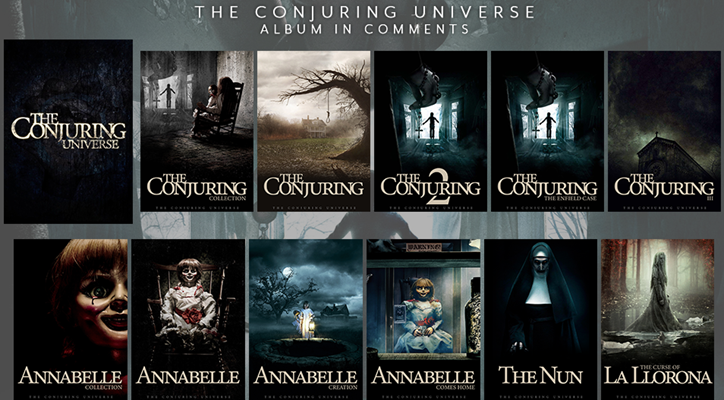
The “Conjuring” franchise masterfully blends various horror styles and explores profound themes, creating a rich tapestry of fear and suspense. Each film utilizes a unique combination of techniques to elicit a visceral response from the audience while delving into the complexities of human experience in the face of the supernatural. The following sections will analyze the distinct horror styles, recurring themes, and visual aesthetics that contribute to the franchise’s enduring success.
Horror Styles Employed
The “Conjuring” films skillfully utilize a variety of horror styles to keep the audience engaged and terrified. These styles, often interwoven, contribute to the unique atmosphere of each film.
- Supernatural Horror: This is the foundation of the franchise, centered on the presence of malevolent entities and paranormal activity. The films consistently feature demonic possessions, hauntings, and poltergeist activity.
- The Conjuring: This film introduces the Perron family’s haunting, with the presence of Bathsheba, a vengeful spirit. The manifestations of this spirit, such as slamming doors, disembodied voices, and physical attacks, are classic examples of supernatural horror.
- The Conjuring 2: The film focuses on the Enfield Poltergeist case, with the primary antagonist being the demonic entity Valak. The visual representations of Valak, including its nun-like appearance, and the manipulation of Janet Hodgson, are quintessential examples of supernatural horror.
- The Devil Made Me Do It: This film explores a courtroom setting, but the core of the terror remains supernatural, with the demon that possessed Arne Johnson being the central threat. The exorcism scenes and the demon’s influence on events are critical to the supernatural horror elements.
- Psychological Horror: The films delve into the psychological toll that supernatural events take on the characters. This style explores fear, paranoia, and the erosion of mental stability.
- The Conjuring: The Perron family’s descent into fear and isolation as they experience increasingly disturbing events is a primary example. The mother’s breakdown and the children’s trauma highlight the psychological impact of the haunting.
- The Conjuring 2: Janet Hodgson’s vulnerability and manipulation by Valak, alongside the Warrens’ struggles with their own doubts and fears, showcases the psychological horror at play.
- The Devil Made Me Do It: The fear and desperation of Arne Johnson, as well as the Warrens’ moral and psychological dilemmas during the trial, are vital elements.
- Jump Scares: While the franchise is not solely reliant on jump scares, they are used strategically to heighten suspense and provide moments of intense shock.
- The Conjuring: Sudden appearances of Bathsheba or the slamming of doors serve as examples of jump scares, designed to startle the audience.
- The Conjuring 2: Valak’s sudden appearances, particularly in mirrors or dark corners, provide numerous jump scare moments.
- The Devil Made Me Do It: The film uses jump scares to emphasize the demon’s attacks and the suspenseful courtroom scenes.
Recurring Themes
The “Conjuring” films explore several recurring themes that resonate with audiences, adding depth to the horror elements.
- Faith: Faith is a central theme, with the Warrens’ strong belief in God and their commitment to fighting evil. Their faith provides them with the strength and tools to combat demonic forces.
- The Conjuring: The Warrens’ faith is the driving force behind their work. Their reliance on prayer and religious artifacts underscores the importance of faith.
- The Conjuring 2: The film emphasizes the power of faith in overcoming evil, with the Warrens using their belief to protect the Hodgson family.
- The Devil Made Me Do It: The film’s courtroom setting highlights the role of faith in confronting the darkness, with the Warrens’ faith providing the foundation for their defense.
- Family: Family bonds are frequently tested by the supernatural forces, yet they ultimately serve as a source of strength and resilience.
- The Conjuring: The Perron family’s struggle to protect their children and their unwavering love for each other is a central element.
- The Conjuring 2: The Hodgson family’s unity and their struggle to survive the haunting are a key focus.
- The Devil Made Me Do It: The film explores the idea of family and the importance of helping those in need, even if it is a criminal case.
- Good versus Evil: The films consistently depict the battle between good and evil, with the Warrens representing the forces of good and the demonic entities representing evil.
- The Conjuring: The Warrens’ fight against Bathsheba exemplifies the struggle between good and evil.
- The Conjuring 2: The Warrens’ battle against Valak showcases the continuous struggle.
- The Devil Made Me Do It: The Warrens’ efforts to combat the demon and provide justice demonstrate the ongoing battle between good and evil.
- The Battle Against Demonic Forces: The franchise centers on the Warrens’ encounters with demonic entities, with each film depicting a new threat and the couple’s efforts to vanquish it.
- The Conjuring: The exorcism of the Perron family’s home is a direct confrontation with a demonic force.
- The Conjuring 2: The exorcism of Janet Hodgson and the ultimate defeat of Valak are central.
- The Devil Made Me Do It: The Warrens’ involvement in the case involving the possessed Arne Johnson underscores their dedication to fighting evil.
Visual Aesthetics and Cinematography
The visual aesthetics and cinematography of the “Conjuring” films play a crucial role in creating a terrifying atmosphere.
- Use of Darkness and Shadow: The films frequently utilize darkness and shadow to obscure the unknown and build suspense.
- The Conjuring: Scenes in the dark basement or the dimly lit house create an atmosphere of dread.
- The Conjuring 2: The use of shadows and darkness to hide Valak’s appearances is effective.
- The Devil Made Me Do It: The shadows and low lighting create a sense of impending danger.
- Slow Pacing and Suspense Building: The films often employ slow pacing and carefully crafted scenes to build suspense before revealing the horror.
- The Conjuring: The anticipation before the appearance of Bathsheba is a prime example.
- The Conjuring 2: The slow buildup to the poltergeist activity creates a feeling of unease.
- The Devil Made Me Do It: The suspense in the courtroom and the build-up to the exorcism heighten the tension.
- Camera Techniques: Various camera techniques, such as handheld shots and POV shots, are used to immerse the audience in the experience and create a sense of vulnerability.
- The Conjuring: Handheld shots during the haunting sequences create a sense of realism.
- The Conjuring 2: POV shots during the Enfield Poltergeist case enhance the feeling of terror.
- The Devil Made Me Do It: Camera techniques are used during the trial and exorcism scenes to amplify the impact.
Comparative Table
The following table summarizes the key elements of each “Conjuring” film, allowing for a clear comparison.
| Film | Setting | Main Antagonist | Type of Scares | Overall Tone |
|---|---|---|---|---|
| The Conjuring | Rural Rhode Island farmhouse | Bathsheba | Supernatural, jump scares, psychological | Suspenseful, unsettling |
| The Conjuring 2 | Enfield, England | Valak | Supernatural, jump scares, psychological | Terrifying, ominous |
| The Devil Made Me Do It | Connecticut, courtroom | Unnamed Demon | Supernatural, psychological | Suspenseful, dramatic |
Evaluating the Critical and Commercial Success of “The Conjuring” Franchise Films
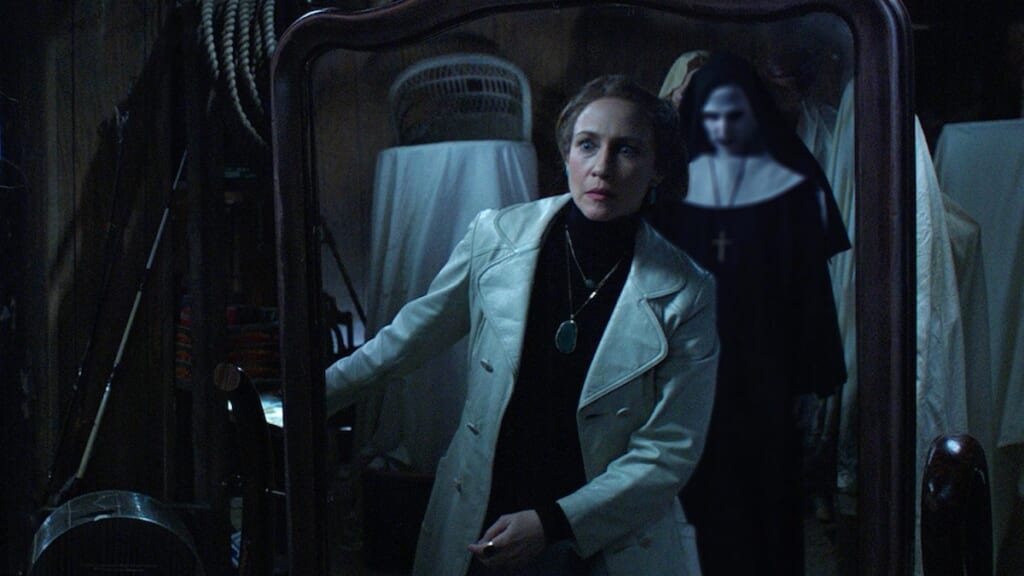
The “Conjuring” franchise has become a significant force in contemporary horror, captivating audiences and critics alike. This section examines the critical reception and box office performance of each film, illustrating its commercial success and cultural impact. Furthermore, it details the franchise’s influence on the horror genre, including awards and nominations received.
Critical Reception of Each Movie, Conjuring movies in order where to watch
The critical reception of “The Conjuring” films has been generally positive, with critics praising the craftsmanship, scares, and performances. However, the quality has been observed to vary across the installments.
- The Conjuring (2013): Widely acclaimed, the first “Conjuring” movie received overwhelmingly positive reviews. Critics lauded the film’s effective use of suspense, practical effects, and the performances of Vera Farmiga and Patrick Wilson. Rotten Tomatoes reported an 86% approval rating based on 215 reviews, with an average rating of 7.2/10. Metacritic assigned a score of 68 out of 100, based on 37 critics, indicating “generally favorable reviews.”
- The Conjuring 2 (2016): This sequel also garnered positive reviews, though some critics found it slightly less impactful than the original. Reviewers still praised the film’s atmosphere, scares, and the continued performances of the leads. Rotten Tomatoes reported a 79% approval rating based on 187 reviews, with an average rating of 6.6/10. Metacritic assigned a score of 65 out of 100, based on 32 critics, indicating “generally favorable reviews.”
- Annabelle (2014): The first spin-off received mixed reviews, with critics pointing out a lack of originality and scares compared to the main “Conjuring” films. Rotten Tomatoes reported a 29% approval rating based on 136 reviews, with an average rating of 4.3/10. Metacritic assigned a score of 37 out of 100, based on 28 critics, indicating “generally unfavorable reviews.”
- Annabelle: Creation (2017): This prequel was considered a significant improvement over the first “Annabelle” film, with critics finding it more effective in delivering scares and building suspense. Rotten Tomatoes reported a 71% approval rating based on 154 reviews, with an average rating of 6.0/10. Metacritic assigned a score of 62 out of 100, based on 23 critics, indicating “generally favorable reviews.”
- Annabelle Comes Home (2019): The third “Annabelle” film received mixed reviews, with some critics finding it less scary and more reliant on jump scares. Rotten Tomatoes reported a 29% approval rating based on 158 reviews, with an average rating of 4.5/10. Metacritic assigned a score of 42 out of 100, based on 24 critics, indicating “mixed or average reviews.”
- The Nun (2018): This spin-off received mixed reviews, with criticism focusing on the story and scares, despite the visual style. Rotten Tomatoes reported a 26% approval rating based on 167 reviews, with an average rating of 4.2/10. Metacritic assigned a score of 44 out of 100, based on 30 critics, indicating “mixed or average reviews.”
- The Curse of La Llorona (2019): This film, connected to the “Conjuring” universe, received mixed reviews, with criticism aimed at the lack of originality and scares. Rotten Tomatoes reported a 29% approval rating based on 180 reviews, with an average rating of 4.5/10. Metacritic assigned a score of 41 out of 100, based on 34 critics, indicating “mixed or average reviews.”
- The Nun II (2023): The sequel to “The Nun” received mixed reviews, with critics noting improvements in scares and atmosphere compared to the first film, though the narrative was still criticized. Rotten Tomatoes reported a 52% approval rating based on 166 reviews, with an average rating of 5.3/10. Metacritic assigned a score of 47 out of 100, based on 30 critics, indicating “mixed or average reviews.”
Box Office Performance and Profitability
The “Conjuring” franchise has been a massive commercial success, consistently generating significant revenue at the box office. The films have generally been profitable, given their moderate production budgets.
The following table illustrates the box office performance of each film, including its budget and worldwide gross revenue:
| Film | Budget (USD) | Worldwide Gross (USD) |
|---|---|---|
| The Conjuring (2013) | $20 million | $320.2 million |
| Annabelle (2014) | $6.5 million | $257.6 million |
| The Conjuring 2 (2016) | $40 million | $320.3 million |
| Annabelle: Creation (2017) | $15 million | $306.5 million |
| The Nun (2018) | $22 million | $365.6 million |
| The Curse of La Llorona (2019) | $19 million | $123.1 million |
| Annabelle Comes Home (2019) | $27 million | $231.4 million |
| The Nun II (2023) | $38.5 million | $268.1 million |
The consistent profitability of the “Conjuring” franchise is notable. For example, “The Conjuring” (2013) grossed over $320 million worldwide on a $20 million budget, resulting in substantial profit. Similarly, “Annabelle” (2014) earned over $257 million on a $6.5 million budget. The franchise’s success is a testament to its ability to attract audiences and generate significant returns on investment.
Influence on the Horror Genre
The “Conjuring” franchise has significantly influenced the modern horror genre, particularly in its approach to storytelling, atmosphere, and scares. The franchise popularized several techniques and trends.
- Emphasis on Atmosphere and Suspense: The films’ effective use of slow-burn suspense and building tension has been widely adopted by other horror filmmakers. For example, the use of extended scenes of quiet dread, punctuated by sudden scares, has become a common tactic.
- Revival of Practical Effects: The franchise’s focus on practical effects, such as makeup and animatronics, has contributed to a resurgence in the use of these techniques. This contrasts with the over-reliance on CGI in some horror films.
- Shared Universe Approach: The interconnected nature of the “Conjuring” universe, with spin-offs and references to other films, has influenced the creation of shared universes in horror. This approach has been replicated in franchises like the “It” films and the “Insidious” series.
- Character-Driven Horror: The focus on the Warrens as protagonists, and the development of their character arcs, has emphasized character-driven horror, where the audience becomes invested in the characters’ fates.
Awards and Nominations
The “Conjuring” movies have received recognition from various film organizations, although they have not garnered significant awards compared to other genres.
- The Conjuring (2013): Nominated for the MTV Movie Award for Best Scared-As-S* Performance (Vera Farmiga), and the Saturn Award for Best Horror Film.
- The Conjuring 2 (2016): Nominated for the Saturn Award for Best Horror Film.
- Annabelle: Creation (2017): Nominated for the Teen Choice Award for Choice Horror Movie.
- The Nun (2018): Nominated for the Teen Choice Award for Choice Horror Movie.
- The Curse of La Llorona (2019): Nominated for the Teen Choice Award for Choice Horror Movie.
- The Nun II (2023): No major awards or nominations.
Conclusive Thoughts
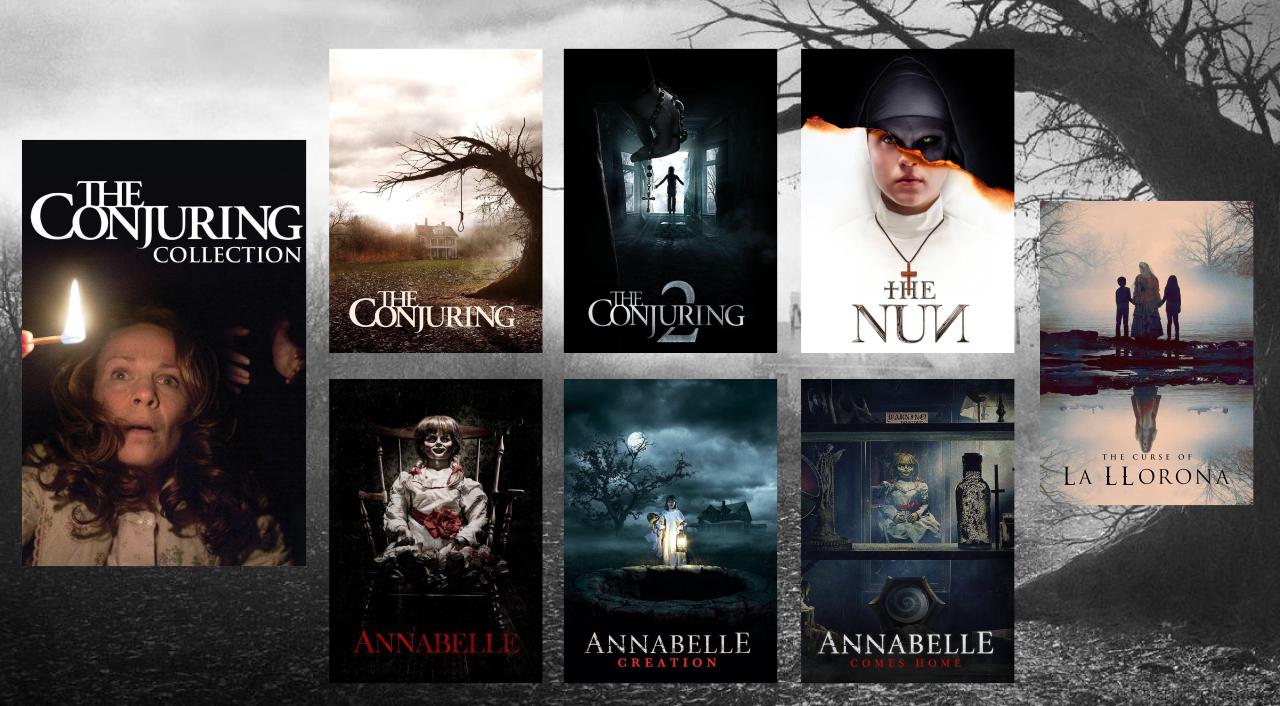
In conclusion, the “Conjuring” universe offers a rich and rewarding experience for horror enthusiasts. Understanding the chronological order, knowing where to watch the films, and appreciating the interconnected narrative are key to fully immersing oneself in this terrifying world. From the spine-chilling scares to the exploration of profound themes, the “Conjuring” franchise continues to captivate and terrify audiences worldwide. So, gather your courage, prepare your snacks, and get ready to embark on a journey through the shadows of the “Conjuring” universe.
FAQ Corner
What is the best order to watch the “Conjuring” movies?
The best order is both by release date and chronological order within the film’s universe. This ensures you experience the narrative as intended, with the spin-offs adding depth to the main story.
Are the “Conjuring” movies based on true stories?
Yes, the “Conjuring” films are based on the real-life investigations of paranormal investigators Ed and Lorraine Warren. However, some events are dramatized for cinematic effect.
Where can I stream “The Conjuring” movies?
Availability varies depending on your region. Popular streaming services like HBO Max, Netflix, and Amazon Prime Video often carry the movies, but check the current listings.
What are the spin-off movies in “The Conjuring” universe?
Spin-offs include “Annabelle,” “The Nun,” and “The Curse of La Llorona,” among others, which expand on the world and characters introduced in the main “Conjuring” films.