

Tamil a movie, a vibrant tapestry of storytelling, offers a compelling glimpse into South Indian culture, society, and artistic expression. This exploration delves into the heart of Tamil cinema, examining its narrative structures, technological evolution, prevalent themes, and the profound impact of music. From action-packed dramas to heartwarming family stories, Tamil movies have consistently captivated audiences, leaving an indelible mark on the global film landscape.
We will explore the key ingredients that make these movies so engaging and how they continue to evolve.
This analysis will dissect the essential elements of Tamil cinema, including character development, plot twists, and pacing. We’ll also investigate how technology has reshaped the industry, from production to distribution. Furthermore, we’ll delve into the popular genres and recurring themes that resonate with audiences, along with the significance of music and soundtracks in creating a memorable cinematic experience. Finally, we’ll spotlight some of the most influential Tamil movies that have shaped the industry and left a lasting impact.
What are the essential elements that define a compelling Tamil movie narrative structure?
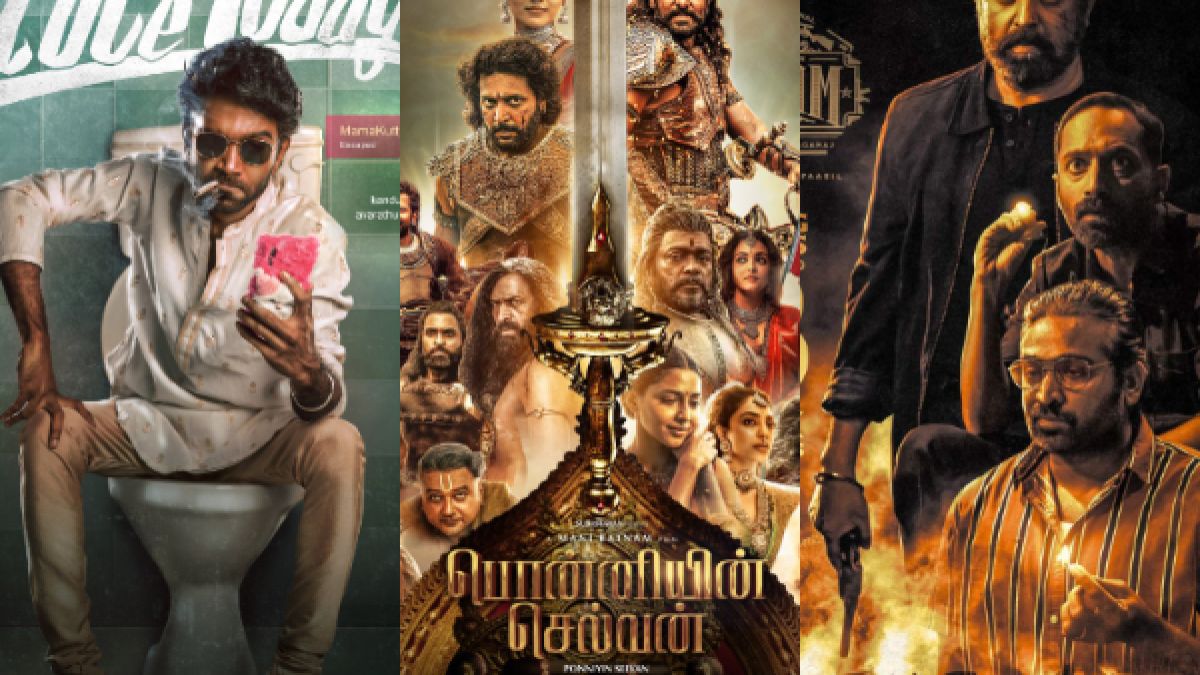
Tamil cinema, known for its vibrant storytelling and passionate audience, thrives on a narrative structure that resonates deeply with its viewers. A compelling Tamil movie goes beyond mere plot; it weaves a tapestry of emotions, cultural context, and relatable characters. The effectiveness of this narrative structure determines the film’s success, influencing audience engagement and critical acclaim. Understanding these elements is crucial to appreciating the art of Tamil filmmaking.
Key Components of a Tamil Movie’s Narrative Structure
A well-structured Tamil film hinges on several critical components. These elements work in concert to create a captivating cinematic experience. The success of the film often depends on how skillfully these components are interwoven.The character arc is a fundamental element. Protagonists often undergo significant transformations, evolving from their initial states to overcome challenges and achieve their goals. The narrative follows their journey of self-discovery, fueled by internal and external conflicts.
For example, in Mani Ratnam’sNayagan*, Velu Nayakan evolves from a young boy to a powerful gangster, demonstrating a complex character arc shaped by his environment and choices. This evolution keeps the audience invested in the character’s fate.Plot twists are another essential ingredient. These unexpected turns in the storyline keep the audience on the edge of their seats, disrupting expectations and creating suspense.
These twists can reveal hidden truths, introduce new antagonists, or change the protagonist’s trajectory. A classic example is the revelation of the antagonist’s true identity in a suspense thriller like
Vikram*, where the plot takes unexpected turns, enhancing the thrill.
Pacing is equally critical. A well-paced film maintains a balance between moments of action, emotional depth, and character development. The narrative should neither feel rushed nor drag on, ensuring that the audience remains engaged throughout. The pacing varies depending on the genre. Action films often feature a faster pace, while dramas may allow for more time for emotional exploration.
Kaithi*, for example, maintains a relentless pace, keeping the audience hooked from beginning to end.
Common Narrative Structures in Tamil Cinema
Tamil cinema frequently employs distinct narrative structures, each with its strengths and weaknesses. Understanding these structures provides insight into the diverse storytelling approaches.The hero’s journey is a prevalent narrative structure. The protagonist embarks on a quest, faces trials, and ultimately triumphs, often undergoing personal growth in the process. This structure is seen in films like
Baahubali*, where the hero, Amarendra Baahubali, battles against adversaries and conquers obstacles.
The hero’s journey provides a framework for character development, but can sometimes feel predictable if not executed with originality.
The revenge plot is another common structure. A character seeks retribution for a wrong committed against them or their loved ones. This structure fuels intense drama and action. Films like
Ghajini* use the revenge plot effectively, generating suspense and audience empathy.
The revenge plot can be compelling, but risks becoming repetitive if the motivation for revenge is not well-defined or if the execution lacks nuance.
Family dramas are a staple of Tamil cinema. These films explore the complexities of familial relationships, often focusing on themes of love, sacrifice, and conflict.
Minsara Kanavu* beautifully portrays family dynamics, exploring the dreams and aspirations of family members.
Family dramas resonate with audiences because they reflect real-life experiences, but they can sometimes become overly sentimental or melodramatic.
Incorporation of Cultural Nuances, Regional Settings, and Social Commentary
Tamil filmmakers skillfully infuse their narratives with cultural nuances, regional settings, and social commentary, enhancing the narrative’s depth and resonance. These elements connect with the audience on a deeper level.Cultural nuances are frequently incorporated. Films often depict traditional customs, festivals, and values, reflecting the rich cultural heritage of Tamil Nadu. The use of traditional music, dance, and rituals enriches the storytelling.
For instance, films set during the Pongal festival often portray the celebration’s significance and cultural impact.Regional settings play a vital role in creating an authentic atmosphere. Filmmakers utilize diverse locations, from bustling cityscapes to rural landscapes, to provide a sense of place. These settings contribute to the visual storytelling and enhance the narrative’s realism. Films set in Madurai, for example, often reflect the city’s unique culture and social dynamics.Social commentary is also frequently integrated.
Tamil cinema has a long history of addressing social issues, such as caste discrimination, poverty, and gender inequality. These films often spark important conversations and challenge societal norms. Films that address caste-based issues, for instance, aim to raise awareness and promote social change. This integration makes the narratives more impactful and relevant to the audience.
How has the evolution of technology impacted the production and distribution of Tamil movies?
The Tamil film industry, like its global counterparts, has undergone a dramatic transformation driven by technological advancements. These changes have reshaped filmmaking processes, special effects capabilities, and the ways in which movies reach audiences. The impact is multifaceted, influencing everything from production costs to the strategies employed by independent filmmakers and the avenues available for distribution.
Impact of Digital Filmmaking and Online Streaming
Digital filmmaking has revolutionized the Tamil movie industry, significantly altering production methods. This transition from celluloid film to digital cameras and editing software has provided several advantages.
- Enhanced Accessibility and Cost Reduction: Digital cameras are generally more affordable and easier to use than traditional film cameras. This has lowered production costs, making filmmaking more accessible to independent filmmakers and smaller production houses. The ability to instantly review footage and make adjustments on set minimizes waste and reduces post-production expenses.
- Improved Special Effects and Visuals: Digital technology has empowered filmmakers to create more sophisticated special effects (VFX). Software like Adobe After Effects and specialized VFX tools enable complex visual enhancements that were previously impossible or prohibitively expensive. This has led to a significant increase in the quality and complexity of visual storytelling in Tamil cinema. For instance, the use of CGI in films like
-Enthiran* (2010) showcased the industry’s ability to compete with international standards in visual effects. - Efficiency in Post-Production: Digital editing software streamlines the post-production process. Editors can work with digital footage without the time-consuming and costly processes associated with film processing. This accelerates the editing workflow, allowing for quicker turnaround times and more creative control.
Online streaming platforms have further transformed the landscape. Services like Netflix, Amazon Prime Video, and regional platforms have become major distribution channels.
- Wider Audience Reach: Streaming platforms offer Tamil movies access to a global audience, expanding the market beyond traditional theatrical releases and satellite television. This broader reach is particularly beneficial for films with niche appeal or those targeting specific demographics.
- Alternative Revenue Streams: Streaming provides an additional revenue stream for filmmakers, offering them more control over their content and potentially higher profits. The success of movies like
-Soorarai Pottru* (2020), which premiered directly on Amazon Prime Video due to the pandemic, highlighted the financial viability of this distribution model. - Challenges and Opportunities for Independent Filmmakers: While streaming offers opportunities, it also presents challenges. Competition is fierce, and visibility is crucial. Independent filmmakers need to invest in marketing and promotion to stand out. However, the lower barriers to entry and the potential for direct-to-consumer distribution empower them.
Evolution of Tamil Movie Distribution Methods
The distribution landscape has evolved considerably. The following table illustrates the changes across different eras.
| Distribution Method | Era | Advantages | Disadvantages |
|---|---|---|---|
| Theatrical Release | Early Cinema to 1980s |
|
|
| Satellite Television | 1990s – 2010s |
|
|
| DVD/VCD | 1990s – 2010s |
|
|
| Online Streaming | 2010s – Present |
|
|
The technological shifts have created a dynamic environment. The cost of production has decreased, offering opportunities for new talent. Distribution has expanded through streaming, but competition is intense. The Tamil film industry must continually adapt to leverage these advancements while addressing the challenges they present.
What are the prevalent themes and genres that consistently captivate the Tamil movie audience?

Tamil cinema, or Kollywood, boasts a rich history of storytelling that resonates deeply with its audience. The industry’s success hinges on its ability to tap into cultural values, societal issues, and the emotional landscape of its viewers. Several genres and themes consistently draw large audiences, showcasing the evolving tastes and preferences of the Tamil film-going public.
Popular Genres and Recurring Themes
The enduring popularity of certain genres in Tamil cinema stems from their ability to reflect and address the realities and aspirations of Tamil society. Action, romance, comedy, and family dramas are staples, constantly reinterpreted and adapted to reflect changing times. Action films, often featuring larger-than-life heroes, appeal to the desire for justice and the triumph of good over evil. Romance provides an escape, exploring themes of love, relationships, and societal expectations.
Comedy offers lighthearted relief, using humor to address everyday situations and social commentary. Family dramas, focusing on familial bonds, traditions, and conflicts, resonate with the strong cultural emphasis on family values. These genres endure not only because they offer escapism but also because they provide a mirror to society, reflecting its values, aspirations, and anxieties. Films like
- Baahubali* (action, fantasy),
- Alaipayuthey* (romance),
- Michael Madana Kama Rajan* (comedy), and
- Mahanati* (biographical drama) are examples of successful films in their respective genres, showcasing the evolution of storytelling within these established frameworks.
Cultural Values, Societal Issues, and Historical Contexts
Tamil cinema often explores the nuances of Tamil culture, societal issues, and historical contexts. Films frequently address caste discrimination, gender inequality, and the struggles of the marginalized. They also celebrate Tamil heritage, language, and traditions. For instance, films like
- Pariyerum Perumal* (caste discrimination),
- Kaala* (social injustice), and
- Madras* (political themes) delve into complex social issues, sparking conversations and raising awareness. Historical dramas, like
Ponniyin Selvan
I* and
Ponniyin Selvan
II*, draw inspiration from historical events and figures, offering a glimpse into the past and celebrating Tamil history. The success of these films indicates the audience’s appetite for narratives that reflect their lived experiences and connect them to their cultural roots. The incorporation of historical elements and the portrayal of social realities are key factors in connecting with the audience.
Characteristics of Successful Tamil Movie Genres
The most successful Tamil movie genres share specific characteristics, employing key tropes, stylistic elements, and targeting specific demographics.
-
Action:
Action films often feature charismatic heroes, high-octane stunts, and narratives of revenge or social justice. They utilize stylized fight sequences, elaborate set pieces, and a strong emphasis on visual spectacle. Target audiences include young men and those seeking escapist entertainment. Examples include films like
-Vikram* and
-Leo*. -
Romance:
Romance films typically focus on love stories, relationships, and the challenges of navigating societal expectations. They employ melodramatic elements, romantic music, and often showcase beautiful locations. Target audiences include young adults and those who enjoy emotional storytelling. Examples include
-Vinnaithaandi Varuvaayaa* and
-96*. -
Comedy:
Comedy films utilize humor, witty dialogues, and slapstick elements to entertain audiences. They often address everyday situations and social commentary through satire. Target audiences are broad, including families and those seeking lighthearted entertainment. Examples include
-Siva Manasula Sakthi* and
-Panchathanthiram*. -
Family Drama:
Family dramas focus on familial relationships, traditions, and conflicts. They employ emotional storytelling, strong character development, and often highlight cultural values. Target audiences include families and those who appreciate stories about human connection. Examples include
-Anbe Sivam* and
-Pasamalar*.
How do Tamil movie soundtracks and music contribute to the overall cinematic experience?

Tamil cinema’s success is deeply intertwined with its music. Soundtracks are not merely background elements; they are integral components that enhance the emotional depth, propel the narrative, and define the aesthetic appeal of a film. The carefully crafted songs and scores contribute significantly to the cultural impact and lasting legacy of Tamil movies.The use of music in Tamil cinema is a highly developed art form, employed to amplify emotional impact and to underscore pivotal moments in the narrative.
A well-placed song can elevate a scene from ordinary to iconic, creating lasting memories for the audience. Music also serves as a powerful tool to drive the story forward, often indicating shifts in mood, character development, and plot progression. Furthermore, the overall aesthetic appeal of the film is greatly influenced by the music, as the soundtrack creates a unique soundscape that defines the film’s identity and genre.
The Role of Music Directors and Lyricists, Tamil a movie
Music directors and lyricists play a crucial role in creating the iconic songs and scores that become integral to the Tamil movie experience. Their collaborative efforts define the musical landscape of the films. These creative professionals often work in close collaboration with the film’s director, understanding the narrative and the emotional nuances of each scene to compose music that complements the visuals and enhances the storytelling.
The music directors orchestrate the musical pieces, and lyricists pen the words that convey the emotions and themes of the movie. The success of a film often hinges on the quality of its soundtrack.Here are some influential collaborations:
- A.R. Rahman and Mani Ratnam: This collaboration produced some of Tamil cinema’s most iconic soundtracks, including Roja (1992), Bombay (1995), and Alaipayuthey (2000). Rahman’s innovative compositions, combined with Ratnam’s visual storytelling, created a unique cinematic experience. For example, “Chinna Chinna Aasai” from Roja, sung by Minmini, became a cultural phenomenon, celebrating themes of love and hope.
- Ilayaraja: Known for his versatility, Ilayaraja’s work spans a wide range of genres, from classical to folk. His soundtracks for films like Mouna Ragam (1986) and Nayagan (1987) elevated the films to new heights. “Mandram Vantha Theru” from Mouna Ragam, sung by S. P. Balasubrahmanyam, beautifully captured the emotional turmoil of the characters.
- Harris Jayaraj and Gautham Vasudev Menon: This duo created many memorable soundtracks. Songs like “Ennaku Oru Girlfriend” from Kaakha Kaakha (2003) and “Munbe Vaa” from Vettaiyaadu Vilaiyaadu (2006) became hugely popular.
The impact of these songs is undeniable. They are not only played in the theaters but also on radio stations, and even in daily life.
What are some of the most influential Tamil movies that have shaped the industry and left a lasting impact?

Tamil cinema, or Kollywood, boasts a rich history of groundbreaking films that have not only entertained audiences but also significantly shaped the industry’s trajectory. These movies have pushed boundaries, introduced innovative cinematic techniques, and addressed critical social issues, leaving an enduring legacy on subsequent generations of filmmakers and audiences. Their influence can be seen in narrative structures, character development, musical scores, and the very fabric of Tamil cinematic storytelling.
Movies Breaking Barriers and Introducing New Narratives
Several Tamil films have been instrumental in breaking down traditional cinematic norms and introducing fresh perspectives. These movies challenged societal conventions, explored complex themes, and paved the way for more diverse and progressive storytelling.
- Parasakthi (1952), directed by Krishnan-Panju, is considered a landmark film. It tackled social injustices and caste discrimination with unprecedented boldness for its time. The film’s powerful dialogues and performances, particularly by Sivaji Ganesan, made a profound impact, influencing political discourse and social awareness. The movie is known for its strong anti-caste and anti-superstition stance, which was revolutionary for its era.
- Nayakan (1987), directed by Mani Ratnam, is a gangster film inspired by
-The Godfather*. This movie revolutionized Tamil cinema with its realistic portrayal of crime and its exploration of the human side of a gangster. The film’s narrative complexity, brilliant cinematography by P.C. Sreeram, and Kamal Haasan’s compelling performance redefined the genre and influenced countless films that followed. The film is known for its innovative camera work and the way it portrayed the protagonist’s emotional journey. - Anbe Sivam (2003), directed by Sundar C., explored themes of communal harmony, atheism, and the essence of humanity. The film’s non-linear narrative, philosophical dialogues, and powerful performances by Kamal Haasan and Madhavan resonated deeply with audiences. Despite not being a box-office success upon release, it has gained a cult following over time for its thought-provoking themes and its message of universal love.
The film’s unique blend of comedy, drama, and social commentary made it stand out.
- Kaaka Muttai (2015), directed by M. Manikandan, offered a poignant commentary on poverty and the impact of globalization on children. This movie’s realistic portrayal of life in the slums, combined with its sensitive direction and exceptional performances, garnered critical acclaim both nationally and internationally. The film’s narrative focused on the simple dreams of two young boys and highlighted the socio-economic disparities in society.
Critically Acclaimed Tamil Movies
A selection of films have received widespread critical acclaim, earning accolades for their artistic merit, technical excellence, and cultural significance. These movies showcase the depth and diversity of Tamil cinema.
- Thiruda Thiruda (1993), directed by Mani Ratnam, is a fast-paced, visually stunning heist film. It is celebrated for its innovative editing, vibrant cinematography, and A.R. Rahman’s iconic soundtrack. The film’s energetic storytelling and stylish presentation set a new standard for Tamil cinema.
- Indian (1996), directed by S. Shankar, is a vigilante action film that tackles corruption. It is renowned for its high production values, Kamal Haasan’s dual performance, and its powerful social commentary. The film’s success demonstrated the commercial viability of socially conscious cinema.
- Mughal Azam (2004), a dubbed Tamil version of the Hindi classic, was a landmark in terms of distribution and re-imagining. It showcased the power of epic storytelling.
- Vikram Vedha (2017), directed by Pushkar-Gayathri, is a neo-noir action thriller based on the Indian folktale “Baital Pachisi”. It is praised for its gripping narrative, compelling characters, and the performances of its lead actors, Vijay Sethupathi and Madhavan. The film’s exploration of moral ambiguity and its unique storytelling approach have made it a modern classic.
- Pariyerum Perumal (2018), directed by Mari Selvaraj, is a hard-hitting film addressing caste discrimination and social injustice. Its realistic portrayal of caste-based violence and its focus on the struggles of marginalized communities made a significant impact on audiences and critics. The film’s raw and honest depiction of social realities earned it widespread recognition.
Wrap-Up
In conclusion, the world of Tamil a movie is a dynamic and multifaceted art form, showcasing a unique blend of storytelling, cultural richness, and technological innovation. From the intricate narrative structures to the captivating soundtracks and the evolution of production, Tamil cinema continues to evolve and entertain. The enduring appeal of Tamil movies lies in their ability to reflect society, challenge norms, and celebrate the human experience.
As the industry moves forward, it promises to continue delighting audiences worldwide with its distinctive narratives and compelling cinematic experiences.
Expert Answers: Tamil A Movie
What is the origin of Tamil cinema?
Tamil cinema, also known as Kollywood, traces its roots back to the early 20th century, with the first silent film produced in 1916.
How has Tamil cinema influenced other regional cinemas?
Tamil cinema has significantly influenced other South Indian film industries and has also gained international recognition for its unique storytelling and technical innovations.
What are some of the biggest box office hits in Tamil cinema?
The biggest box office hits vary over time, but often include films starring major stars and featuring popular genres like action and comedy.
How can I watch Tamil movies?
Tamil movies are available in theaters, on streaming platforms (like Netflix, Amazon Prime Video, and others), and through satellite television.