
Tamil movie, a vibrant and influential cinematic tradition, offers a compelling journey through storytelling, music, and socio-political commentary. This exploration delves into the evolution of Tamil cinema, tracing its roots from early theatrical influences to its modern-day global presence. We will uncover the narrative shifts, the impact of music and dance, the reflection of social issues, and the rise of iconic figures that have shaped this dynamic industry.
The subsequent sections will meticulously examine the technical advancements that have propelled Tamil cinema forward, from the advent of sound and color to the sophisticated use of CGI. Prepare to be immersed in the artistry, cultural significance, and enduring legacy of Tamil movie.
Exploring the Genesis and Evolution of Tamil Cinema’s Narrative Styles

Tamil cinema, a vibrant tapestry of storytelling, has captivated audiences for over a century. Its evolution reflects not only technological advancements but also the shifting social and cultural landscapes of Tamil Nadu. This journey, from silent films to global recognition, showcases a fascinating transformation of narrative styles, deeply rooted in its rich heritage.
Early Influences on Tamil Cinema’s Storytelling
The genesis of Tamil cinema’s narrative style is inextricably linked to the region’s rich traditions of storytelling. The earliest forms of influence can be traced back to various elements.Theatrical traditions, particularly the
- therukoothu* and
- katha kalakshepam*, played a pivotal role.
- Therukoothu*, a street theatre form, employed elaborate costumes, music, and dance to narrate mythological tales and historical events. These performances often involved direct audience interaction, creating a dynamic and engaging experience. This interactive element, the use of song and dance to convey narrative, and the emphasis on spectacle, all found their way into early Tamil cinema.
- Katha kalakshepam*, a form of religious storytelling, also contributed significantly. These performances, typically centered around religious epics like the
- Ramayana* and
- Mahabharata*, emphasized moral lessons and character-driven narratives. The strong focus on character development, the use of dramatic dialogue, and the exploration of complex themes like dharma and karma, provided a template for early filmmakers.
Folk narratives, passed down through generations, also exerted a profound influence. These stories, often centered on local heroes, legends, and social issues, provided a reservoir of themes and characters that filmmakers could adapt. The emphasis on local culture, the use of relatable characters, and the exploration of everyday life resonated deeply with audiences. The storytelling techniques of these folk traditions, characterized by simple yet effective plots, strong emotional appeals, and a focus on community values, were readily incorporated into early cinematic narratives.
The use of songs and dances, already integral to the cultural fabric, further cemented their place in the emerging cinematic form. The mythological narratives, the theatrical traditions, and the folk tales all worked together to shape the nascent storytelling of Tamil cinema.
Evolution of Narrative Techniques in Tamil Cinema
Tamil cinema’s narrative techniques have undergone a remarkable transformation, reflecting technological advancements and the influence of global cinema. The introduction of sound in the 1930s marked a pivotal moment.The advent of sound, or “talkies,” allowed for the integration of dialogue, songs, and music, fundamentally altering the storytelling landscape. This shift enabled filmmakers to explore more complex narratives, develop nuanced characters, and incorporate a wider range of emotional expressions.
The musical score became an integral part of the narrative, often used to convey mood, enhance dramatic impact, and propel the story forward. This era saw the rise of iconic playback singers and composers, whose contributions became synonymous with Tamil cinema’s identity. The integration of music and dance, a hallmark of Tamil cinema, was further cemented during this period.The introduction of color in the 1950s added another layer of visual storytelling.
Color enhanced the cinematic experience, allowing for greater realism and aesthetic appeal. This led to a shift towards more visually opulent productions, with filmmakers experimenting with different color palettes and visual styles to create a more immersive experience for the audience. The influence of global cinema also became increasingly apparent. The post-World War II era saw a greater exposure to Western cinema, influencing narrative structures, filmmaking techniques, and thematic explorations.
This cross-pollination led to experimentation with different genres, cinematic styles, and narrative devices. The influence of Italian neorealism, French New Wave, and Hollywood filmmaking can be observed in various periods of Tamil cinema.The rise of new wave cinema in the 1970s and 1980s marked a significant shift towards realism and social commentary. These films often tackled complex social issues, explored unconventional narratives, and challenged traditional cinematic conventions.
The advent of digital technology further revolutionized filmmaking. Digital cameras, editing software, and special effects provided filmmakers with greater creative freedom and control. The rise of independent cinema and new voices, coupled with the increasing influence of global trends, has led to a diversification of narrative styles, genres, and cinematic aesthetics. This constant evolution is a testament to Tamil cinema’s ability to adapt, innovate, and resonate with audiences.
Shifts in Storytelling: Examples
The following examples illustrate specific shifts in storytelling within Tamil cinema.
-
From Mythological Themes to Social Dramas: Early Tamil cinema heavily relied on mythological stories and religious epics. Films like
-Markandeyan* (1935) were typical. Later, there was a shift towards social dramas that addressed contemporary issues. Films such as
-Parasakthi* (1952) tackled social injustice and the changing values of society. This transition reflected a move away from escapism towards a more realistic portrayal of everyday life and the problems faced by ordinary people.This shift was fueled by the post-independence era’s desire to address societal problems.
-
From Melodramatic Narratives to Action Movies: Early films often used melodramatic narratives characterized by exaggerated emotions, dramatic dialogues, and clear-cut moral divisions. The introduction of action movies brought a new emphasis on stunts, fast-paced sequences, and visual spectacle. Films such as
-Billa* (1980), which was an adaptation of
-Yojimbo*, embraced action and violence, showcasing a new kind of heroism and exciting narratives.This shift catered to a growing audience demand for high-octane entertainment and a different style of storytelling.
-
From Family Dramas to Romantic Comedies: Family dramas were a staple of Tamil cinema, often centered on familial relationships, traditional values, and societal norms. The emergence of romantic comedies brought a fresh perspective, focusing on love, relationships, and contemporary lifestyles. Films like
-Alaipayuthey* (2000) explored modern relationships, urban settings, and relatable characters. This change mirrored evolving social dynamics and the increasing influence of youth culture, offering a lighter and more accessible form of entertainment.
Analyzing the Impact of Music and Dance on the Tamil Movie Experience

Tamil cinema’s distinctive character is deeply interwoven with its vibrant musical scores and captivating dance sequences. These elements transcend mere entertainment, serving as crucial narrative tools, catalysts for emotional resonance, and powerful expressions of cultural identity. Their impact on the audience’s engagement and the overall cinematic experience is undeniable, shaping the industry’s trajectory and defining its global appeal.
Music’s Integral Role in Tamil Cinema
Music constitutes a cornerstone of Tamil cinema, significantly influencing storytelling, character development, and emotional impact. Songs are not merely interludes but integral components of the narrative, often advancing the plot, revealing character motivations, and amplifying dramatic moments.The function of music in Tamil movies includes:
- Storytelling: Songs frequently serve to convey information, exposition, and plot progression. For instance, a song might introduce a character’s background, foreshadow events, or summarize a series of actions.
- Character Development: Music allows the audience to understand characters more deeply. A love song can reveal a character’s feelings, while a motivational song can highlight their aspirations.
- Emotional Impact: Music evokes a wide range of emotions, from joy and excitement to sadness and contemplation. The strategic placement and composition of songs create powerful emotional connections between the audience and the film.
Iconic songs have become synonymous with Tamil cinema’s legacy. Consider the romantic ballads of Ilaiyaraaja, such as “Andhi Mazhai Pozhigirathu” from
- Mouna Ragam*, which exquisitely captured the tenderness and complexities of love. A.R. Rahman’s contributions, like “Ennodu Nee Irundhaal” from
- I*, showcase a blend of contemporary and classical styles that elevate the emotional depth of a scene. These songs, along with many others, are not just musical pieces; they are integral parts of the cinematic narrative. They enhance the audience’s understanding of the characters and the emotional weight of the story.
Unpacking the Socio-Political Themes Frequently Explored in Tamil Movies
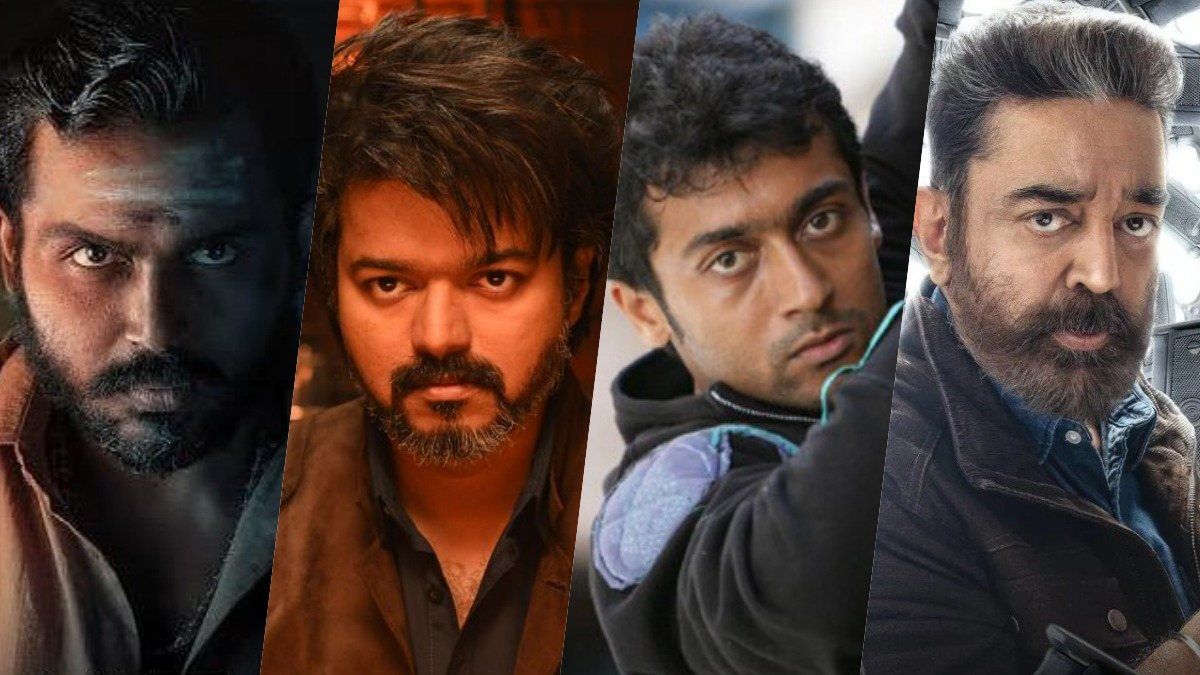
Tamil cinema, often referred to as Kollywood, has consistently served as a powerful medium for reflecting and shaping societal perceptions. Its narrative styles frequently delve into complex socio-political issues, providing commentary and sparking dialogues that resonate deeply within the Tamil-speaking community and beyond. This section examines the common social issues addressed and the ways Tamil cinema reflects and influences political discourse.
Common Social Issues Addressed in Tamil Movies
Tamil movies frequently tackle issues that affect everyday life, often highlighting the struggles and triumphs of marginalized communities. These films use narrative techniques to raise awareness and promote social change.Caste discrimination is a recurring theme, with films often depicting the oppression faced by lower castes and the systemic inequalities they endure. These narratives typically portray the rigid social hierarchies and the challenges of overcoming caste-based prejudice.
For example, movies may depict inter-caste romances facing societal disapproval, highlighting the entrenched nature of discrimination.Poverty and economic inequality are also frequently explored. Many films portray the harsh realities of poverty, showcasing the struggles of the working class and the impact of economic disparities on individuals and families. The portrayal often includes scenes of exploitation, inadequate access to resources, and the fight for survival.
These narratives sometimes focus on the impact of globalization and economic policies on vulnerable populations.Women’s rights and gender inequality are significant themes. Tamil cinema has increasingly addressed issues such as domestic violence, dowry, female infanticide, and the challenges women face in education and career advancement. These films often champion female empowerment and challenge patriarchal norms. They provide narratives of women fighting for their rights and breaking free from societal constraints.
These portrayals frequently include scenes of women standing up against injustice, demanding equal opportunities, and striving for autonomy.
Tamil Cinema’s Reflection and Influence on Political Discourse
Tamil cinema has a long history of interacting with and influencing the political landscape. Films have been censored, used as propaganda tools, and, conversely, served as catalysts for social change.Censorship has been a recurring issue, with filmmakers facing restrictions on content deemed politically sensitive or critical of the government. The censorship process often involves removing scenes or dialogues considered offensive or subversive.Political propaganda has sometimes been utilized, with movies used to promote specific ideologies or support particular political parties.
These films may portray politicians in a favorable light or demonize their opponents.Conversely, some films have spurred social change. These movies challenge existing norms, raise awareness about critical issues, and mobilize public opinion. They often inspire activism and contribute to a more informed and engaged citizenry. These films often serve as a platform for social commentary, leading to public discussions and debates on crucial topics.
Examples of Movies Tackling Socio-Political Themes
Tamil cinema has produced numerous films that have addressed socio-political themes. Here are three notable examples:
- Pariyerum Perumal (2018): This film powerfully addresses caste discrimination. The narrative revolves around a young man from a lower caste who falls in love with a woman from a higher caste, highlighting the societal pressures and violence they face. The film exposes the brutality of caste-based prejudice and the systemic oppression faced by marginalized communities. It generated significant discussions about caste in contemporary Tamil society.
- Visaranai (2016): This film explores police brutality and the plight of innocent people caught in the crosshairs of the law. It portrays the harrowing experiences of four Tamil migrant workers arrested and tortured by the police, reflecting on the abuse of power and corruption within the system. The film generated a lot of debate on the criminal justice system and human rights.
- Theeran Adhigaaram Ondru (2017): This film is based on a true story about a police officer who investigates a series of highway robberies committed by a nomadic tribe. The film touches upon issues of caste discrimination, socio-economic disparities, and the importance of law enforcement. It highlights the challenges faced by law enforcement and the complex interplay of social factors and crime.
Examining the Rise and Influence of Iconic Tamil Movie Actors and Directors
The Tamil film industry, often referred to as Kollywood, has consistently produced cinematic legends whose contributions have shaped its identity and global reach. This section delves into the careers and impact of influential actors and directors, highlighting their artistic innovations and enduring legacies.
Examining the Rise and Influence of Iconic Tamil Movie Actors
The evolution of Tamil cinema is inextricably linked to the actors who have graced its screens. Their performances, charisma, and ability to connect with audiences have been instrumental in defining the industry’s success. This section explores the careers of some of the most notable figures.Actors like M.G. Ramachandran (MGR) transcended mere stardom, becoming cultural icons and political figures. His on-screen persona of a righteous hero, coupled with his off-screen philanthropic activities, solidified his place in the hearts of millions.
His movies often carried social messages, further cementing his influence. MGR’s action sequences, his distinct style of dialogue delivery, and his focus on uplifting the common man set a benchmark for other actors.Sivaji Ganesan, known for his versatility, showcased a wide range of acting skills. He excelled in both dramatic and comedic roles, portraying complex characters with depth and nuance.
His command over the Tamil language and his ability to emote through subtle expressions elevated the standards of acting in Tamil cinema. He was known for his dedication to his craft, often undergoing extensive preparation for his roles.Kamal Haasan, a multi-faceted actor, is celebrated for his innovative approach to acting and his willingness to experiment with different genres. He has consistently pushed the boundaries of performance, often undergoing dramatic physical transformations and exploring complex psychological themes.
His influence extends beyond acting; he has also been involved in screenwriting, directing, and producing, demonstrating his holistic understanding of filmmaking. His work in films like “Nayakan” and “Indian” is considered groundbreaking.Rajinikanth, with his unique style and mass appeal, has achieved unparalleled success. His stylized action sequences, signature dialogues, and charismatic screen presence have captivated audiences worldwide. His films are often characterized by their over-the-top action and fantasy elements.
Rajinikanth’s ability to maintain his popularity across generations is a testament to his enduring appeal. His career trajectory showcases the evolution of Tamil cinema’s commercial viability.These actors, and many others, have significantly shaped the industry, inspiring generations of filmmakers and actors. Their legacies continue to influence the direction of Tamil cinema. Their contributions, both on and off the screen, have helped define the cultural landscape of Tamil Nadu and beyond.
Their ability to connect with the audience on an emotional level is what truly set them apart.
Exploring the Technological Advancements that Have Transformed Tamil Movie Production
The evolution of Tamil cinema is inextricably linked to the advancements in film technology. From humble beginnings to the vibrant, technologically sophisticated productions of today, each innovation has reshaped storytelling, visual aesthetics, and the overall cinematic experience. This section delves into the key technological leaps that have propelled Tamil cinema forward.
Camera Equipment and Sound Recording
The transition from bulky, hand-cranked cameras to lightweight, digital cinematography equipment marked a significant turning point. Early Tamil films relied on cumbersome equipment, limiting camera movement and shot variety. The advent of 35mm film, followed by the adoption of more versatile formats like 16mm, allowed for greater flexibility in filming locations and improved image quality. Digital cameras and high-definition (HD) formats have further revolutionized the industry, enabling filmmakers to capture stunning visuals with enhanced clarity and detail.
Concurrently, sound recording has undergone a parallel transformation. The shift from mono to stereo, and eventually to surround sound technologies like Dolby Digital and DTS, has created immersive audio experiences, amplifying the emotional impact of films.
Visual Effects and Editing
The introduction of visual effects (VFX) and digital editing has been transformative. Early films relied on rudimentary techniques for special effects, often resulting in less convincing visuals. Computer-generated imagery (CGI) and sophisticated compositing software have opened up limitless possibilities, allowing filmmakers to create fantastical worlds, seamless action sequences, and breathtaking visual spectacles. Digital editing software has streamlined the post-production process, enabling faster turnaround times and greater creative control.
The ability to manipulate and enhance images, correct errors, and experiment with different visual styles has empowered filmmakers to push the boundaries of storytelling. The use of drone cameras also adds a new dimension to Tamil cinema, allowing for dynamic aerial shots that were previously impossible.
Examples of Technological Impact on Tamil Cinema
The following examples illustrate the impact of technological advancements on Tamil cinema:
-
The Transition from Black and White to Color: The shift from black and white to color cinematography in the 1950s and 60s revolutionized the visual aesthetics of Tamil cinema. Films like “Malaikallan” (1954), one of the first Tamil films to incorporate color sequences, showcased the vibrancy and richness of the Indian landscape and costumes. This technological leap enhanced the storytelling by creating a more immersive and visually appealing experience for the audience.
The transition from black and white to color was a crucial step in attracting a larger audience and establishing Tamil cinema as a major force in Indian filmmaking.
- The Rise of CGI and VFX: The increasing adoption of CGI and VFX has enabled Tamil filmmakers to create visually stunning action sequences, fantasy worlds, and realistic special effects. Films like “Enthiran” (2010) and “Baahubali: The Beginning” (2015) pushed the boundaries of visual storytelling in Tamil cinema, incorporating complex CGI sequences that were previously unheard of. These advancements have elevated the cinematic experience and allowed filmmakers to compete with global standards of visual effects.
- Digital Sound and Surround Sound: The evolution of sound technology from mono to stereo and surround sound has significantly enhanced the auditory experience for audiences. The implementation of Dolby Digital and DTS in Tamil films creates a more immersive and engaging environment. This allows for a more intense emotional impact, especially during action sequences and musical numbers, enhancing the overall cinematic experience.
- Digital Editing and Post-Production: The advent of digital editing software has revolutionized the post-production process. Editors can now manipulate footage with greater precision and efficiency. The shift from analog to digital editing has reduced the time and cost associated with post-production, enabling filmmakers to experiment with different editing styles and visual effects more readily. This advancement has empowered filmmakers to refine their narratives and enhance the overall storytelling experience.
Imaginary Scene with Extensive CGI Effects
The scene opens on a bustling marketplace in a futuristic Chennai, circa 2077. Flying vehicles weave through towering holographic advertisements that shimmer and shift, displaying dynamic images of products and services. The camera focuses on a protagonist, a young woman named Aarya, navigating the crowded streets. Suddenly, a colossal, robotic dragon, rendered with photorealistic CGI, emerges from the sky, its metallic scales reflecting the neon lights.
The dragon unleashes a torrent of energy blasts, causing explosions that send debris flying in slow motion. Aarya, using enhanced agility granted by a futuristic suit, dodges the debris with incredible speed. The camera follows her as she leaps across collapsing structures, the background blurring with the chaotic energy of the battle. Buildings crumble, revealing intricate internal mechanisms, all meticulously rendered.
The scene culminates in a close-up of Aarya, her face determined, as she activates a powerful weapon, preparing to confront the CGI dragon in a final, climactic showdown. The detailed rendering of the futuristic cityscape, the dynamic action, and the realistic portrayal of the robotic dragon are all testaments to the impact of CGI on Tamil cinema.
Last Point: Tamil Movie

In conclusion, the Tamil movie is more than just entertainment; it’s a mirror reflecting societal values, a platform for artistic expression, and a powerful tool for social change. From its humble beginnings to its current global recognition, the industry’s evolution showcases resilience and innovation. The influence of its music, dance, and iconic figures is undeniable, cementing its place as a significant contributor to world cinema.
The enduring appeal of Tamil movies continues to captivate audiences, ensuring its legacy for generations to come.
Helpful Answers
What is Kollywood?
Kollywood is the nickname for the Tamil-language film industry, based in Chennai, Tamil Nadu, India. The name is a portmanteau of Kodambakkam, a suburb of Chennai where many film studios are located, and Hollywood.
What is the role of the censor board in Tamil movies?
The Central Board of Film Certification (CBFC) in India reviews films, including Tamil movies, to ensure they adhere to guidelines regarding content appropriateness, violence, and social impact. The board grants certifications (U, U/A, A) based on its assessment.
How has globalization affected Tamil cinema?
Globalization has exposed Tamil cinema to a wider international audience, influencing its narrative styles and production techniques. It has also facilitated collaborations with international filmmakers and actors, enhancing the industry’s global presence.
What are some common themes explored in Tamil movies?
Tamil movies frequently address themes such as family values, social justice, romance, action, and political commentary. They often reflect the cultural and societal realities of Tamil Nadu.